
Study cases and projects

A Note on Project Confidentiality
As a FEA analyst for the aerospace and defense sectors, much of my work is protected by strict NDAs. The case studies presented here are either approved for public release, academic research, or representative models created to demonstrate specific technical capabilities in non-linear dynamics, SPH, and composite failure.
Industrial Lifting: Nonlinear Structural Verification
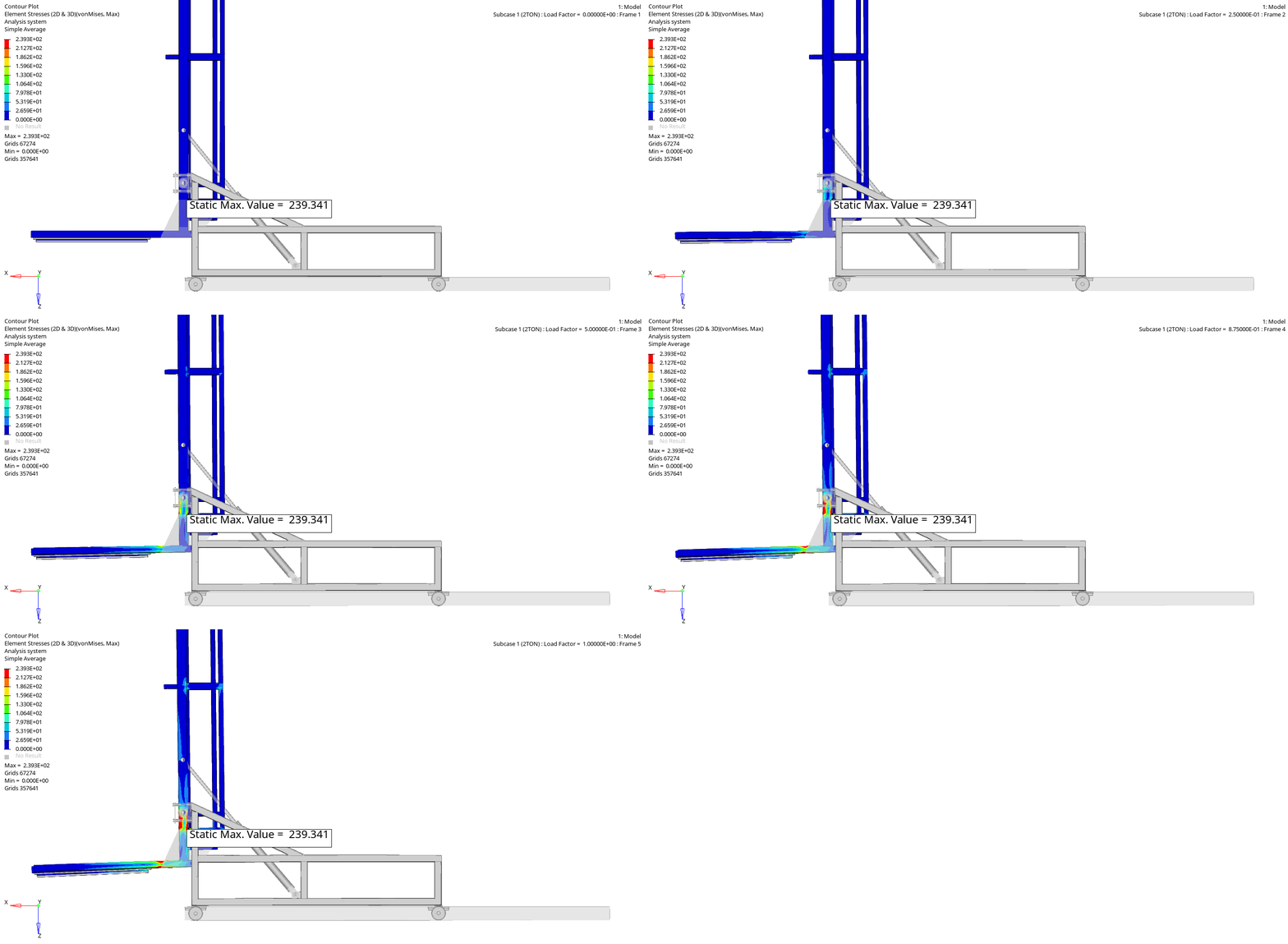
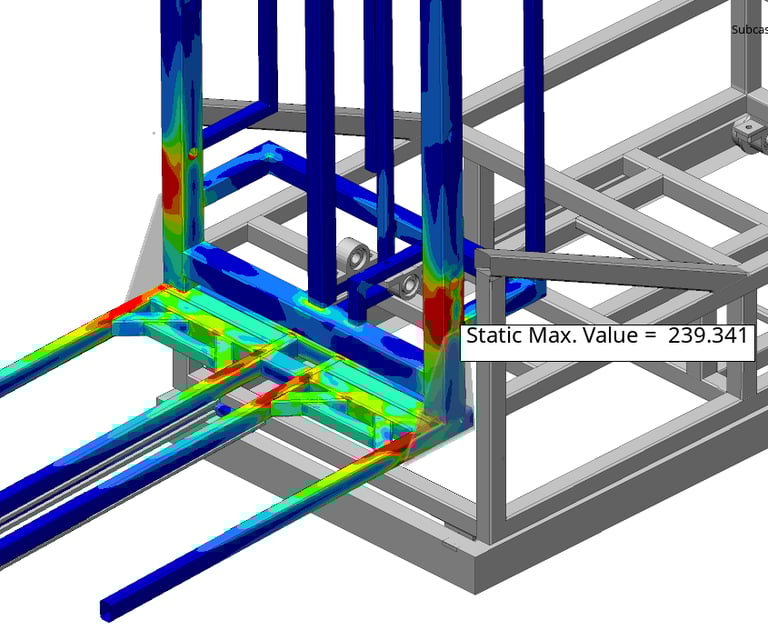
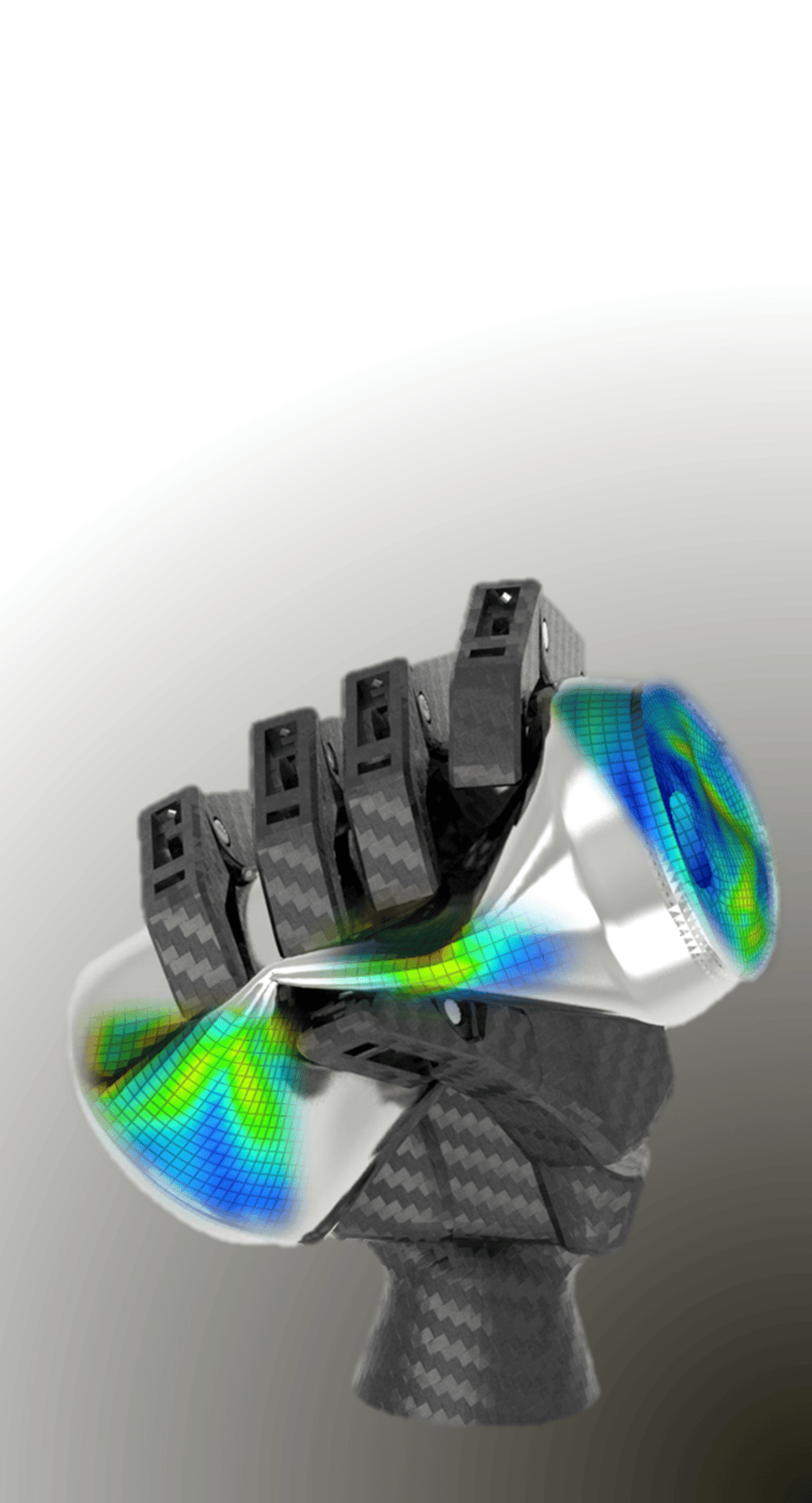
This project involves the comprehensive structural analysis of a specialized lifting device designed for heavy-duty industrial applications. The objective was to verify the structural integrity of the assembly under peak loading conditions and identify potential failure points.
Nonlinear Material Behavior: Utilizing advanced elasto-plastic material laws to capture the transition from elastic stress to permanent plastic deformation.
Plastic Strain Identification: The analysis identifies exact regions of plastic strain accumulation ensuring that the components remain safe even under localized yielding.
Operational Safety: By simulating a 2.0-ton load case, the study provides a safety map for the assembly, allowing for design optimizations that reduce weight without compromising lifting capacity.
Aerospace Radome: Hail Impact (SPH Phase Change)
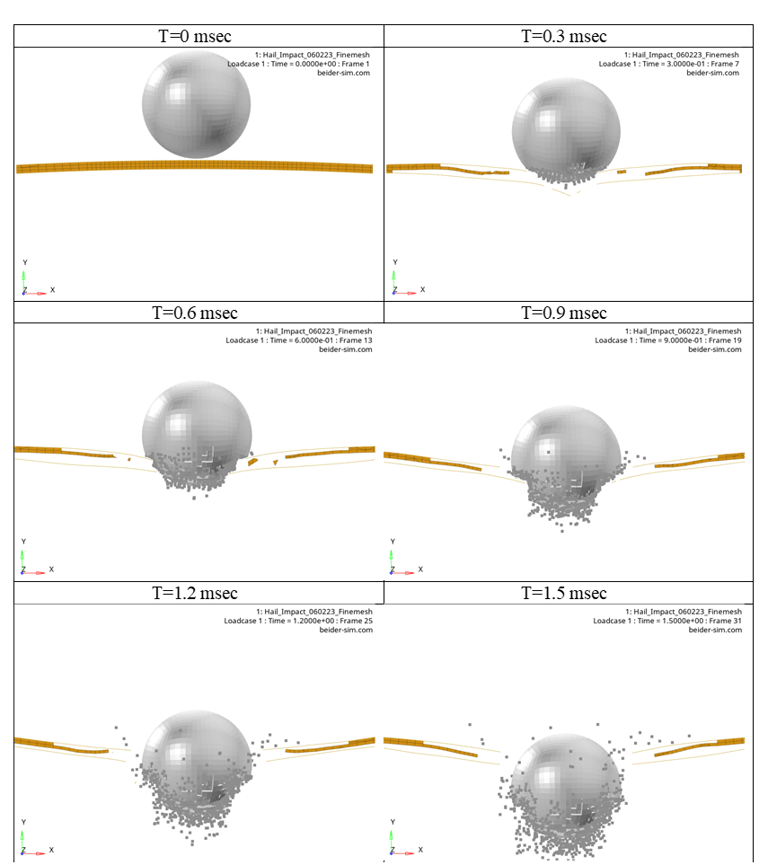
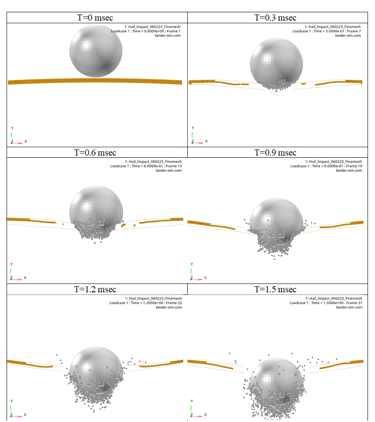
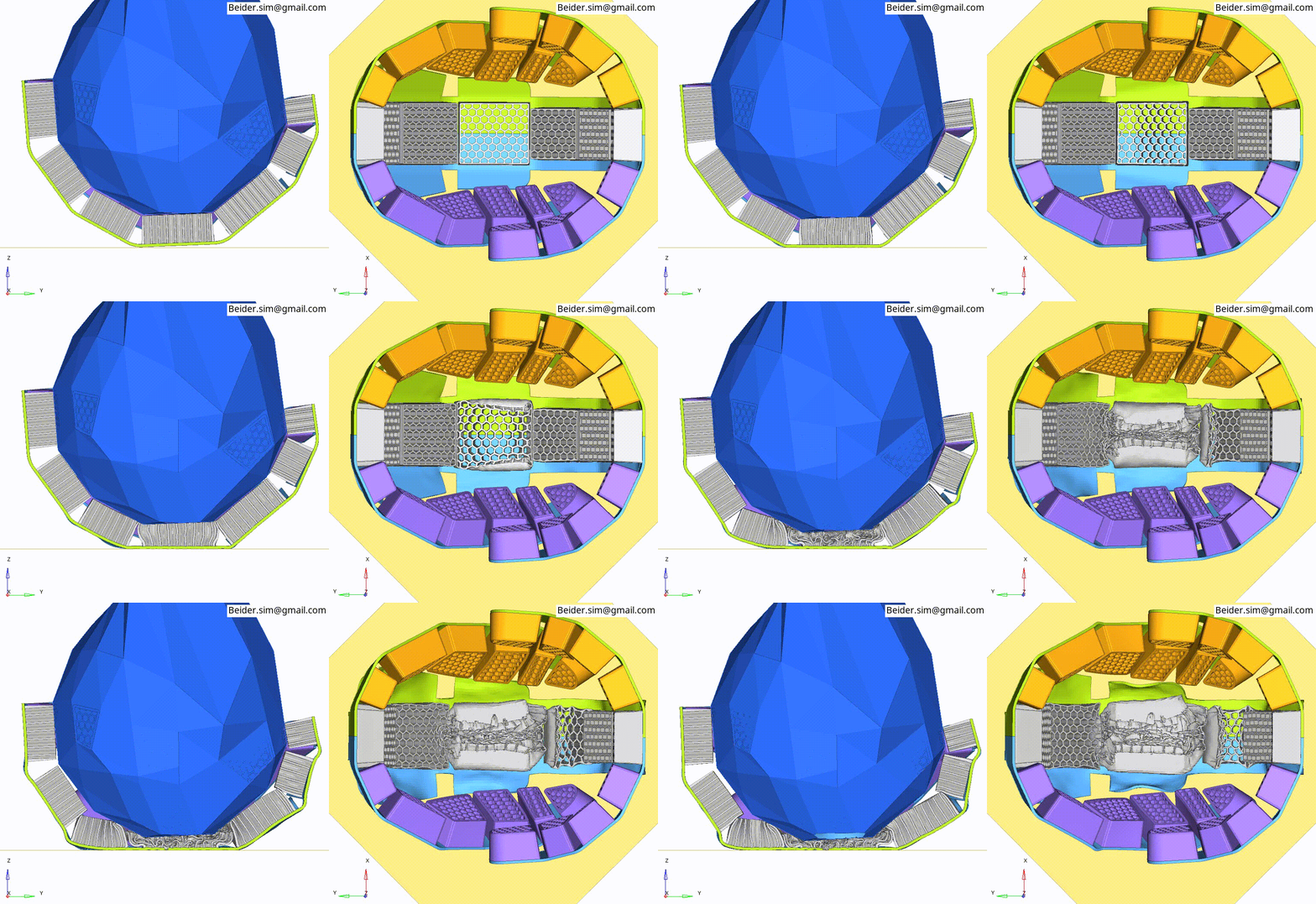
This study performs a high-fidelity dynamic simulation of a 25mm hailstone impacting a composite radome at terminal velocity 21.35 m/sec. The model utilizes a sophisticated Lagrangian-to-SPH conversion to accurately simulate the ice-to-water phase change upon structural failure.
Advanced Multiphysics Modeling: The hail is initially modeled as a solid elasto-plastic structure with Johnson-Cook failure criteria. Upon reaching the failure threshold, elements are dynamically converted into SPH (Smoothed-Particle Hydrodynamics) particles governed by the Gruneisen Equation of State (EOS) to represent fluid-like behavior.
Composite Structural Integrity: The radome utilizes a complex sandwich construction, featuring 0.25mm carbon fiber skins and a 2mm Divinycell F50 core. The analysis provides a detailed map of interlaminar shear and tensile failure across all layers.
Regulatory Compliance: The simulation methodology and environmental assumptions are strictly aligned with STANAG-2895 standards, ensuring that the results meet international military and aerospace requirements.
Actionable Energy Metrics: Beyond simple visual failure, the analysis quantifies that the radome absorbed 462 mJ of energy, reducing the hail's kinetic energy by 28%—critical data for determining secondary damage risks to internal electronics.
Biomechanics: Numerical Modeling of Traumatic Spinal Cord Injury
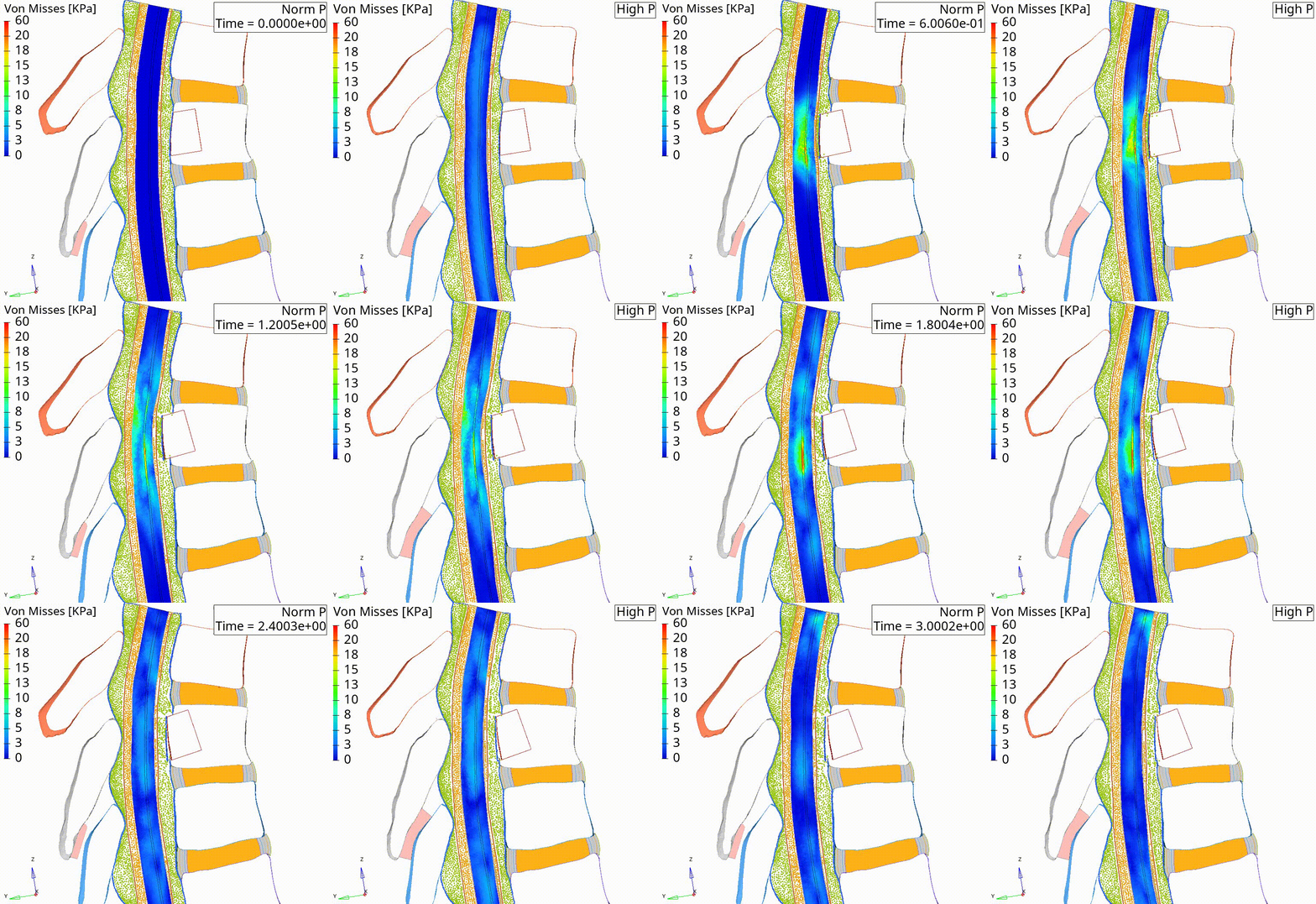
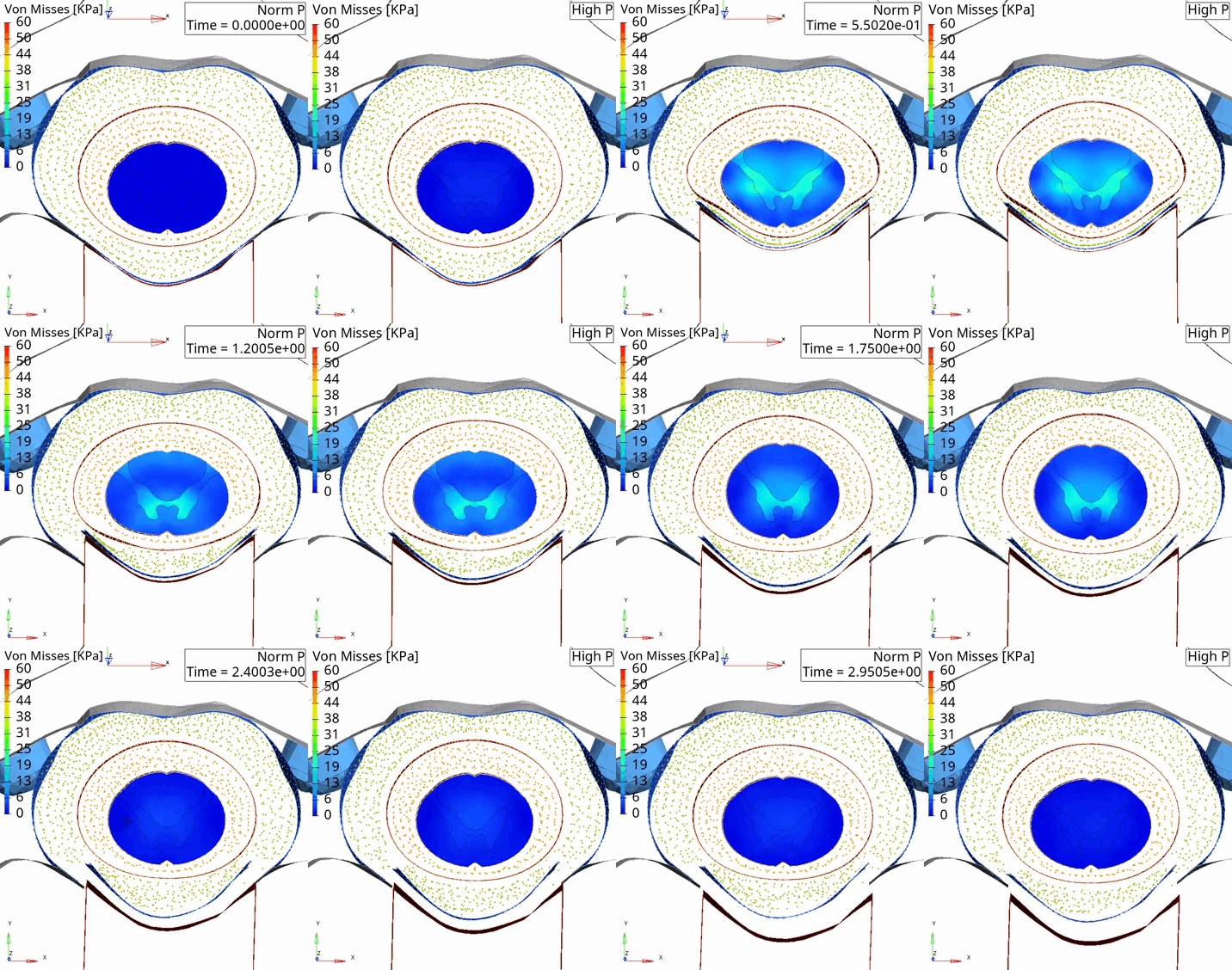
This research involved the development of high-fidelity numerical models to study the mechanical response of the human spinal cord during traumatic events, specifically contusion and burst fractures. The study, published in the Journal of Neurotrauma, was the first to investigate the combined effects of cerebrospinal fluid (CSF) pressure and the presence of epidural fat on injury severity
Sophisticated Fluid-Structure Interaction (FSI): To accurately capture the "shock-absorber" function of the CSF, the fluid was modeled using Smoothed-Particle Hydrodynamics (SPH). This meshless approach allowed for the simulation of complex fluid dynamics and pressure wave propagation during impact without the traditional limitations of mesh distortion.
Epidural Fat Energy Absorption: The research demonstrated for the first time that epidural fat plays a significant role in energy absorption during a burst fracture. The inclusion of fat in the model showed it could effectively counteract the damaging effects of elevated CSF pressure by dissipating the kinetic energy of bone fragments.
Hyperelastic Tissue Modeling: The spinal cord (gray and white matter), pia mater, and dural sac were modeled as hyperelastic materials using Ogden and Mooney-Rivlin formulations to represent the high-strain, non-linear behavior of soft biological tissues under dynamic loading.
Clinical Relevance: By comparing normal and pathologically elevated CSF pressures, the study identified that preexisting conditions, such as intracranial hypertension, could significantly aggravate the stresses experienced by the cord during trauma
Advanced Hybrid Laminates: Optimized Energy Absorption
This project involves the high-fidelity numerical verification of energy absorption in high-performance composite structures. By analyzing the crushing behavior of advanced hybrid architectures, the study identified key mechanisms for significantly increasing Specific Energy Absorption (SEA) through controlled interlaminar failure and material synergy.
Significant SEA Improvement: The analysis demonstrated a major increase in energy efficiency, achieving a Specific Energy Absorption of 8,240 J/kg compared to standard composite baselines of 3,490 J/kg.
Interlaminar Mechanics: The study highlighted the critical role of delamination resistance in managing structural collapse. By leveraging mechanical interlocking and interlaminar stiffness, the design maximizes energy dissipation during crushing events.
Large-Strain Material Response: Utilizing an explicit time integration scheme, the model captures complex failure modes—including progressive delamination and nearly 15% material strain—providing accurate predictions for impact-critical components.
Numerical Sensitivity Studies: The project included a sensitivity analysis comparing constant velocity impacts to mass-driven initial velocity scenarios, verifying the methodology's accuracy within a 10% error margin.

AIR eVTOL: High-Energy Propeller Blade Containment
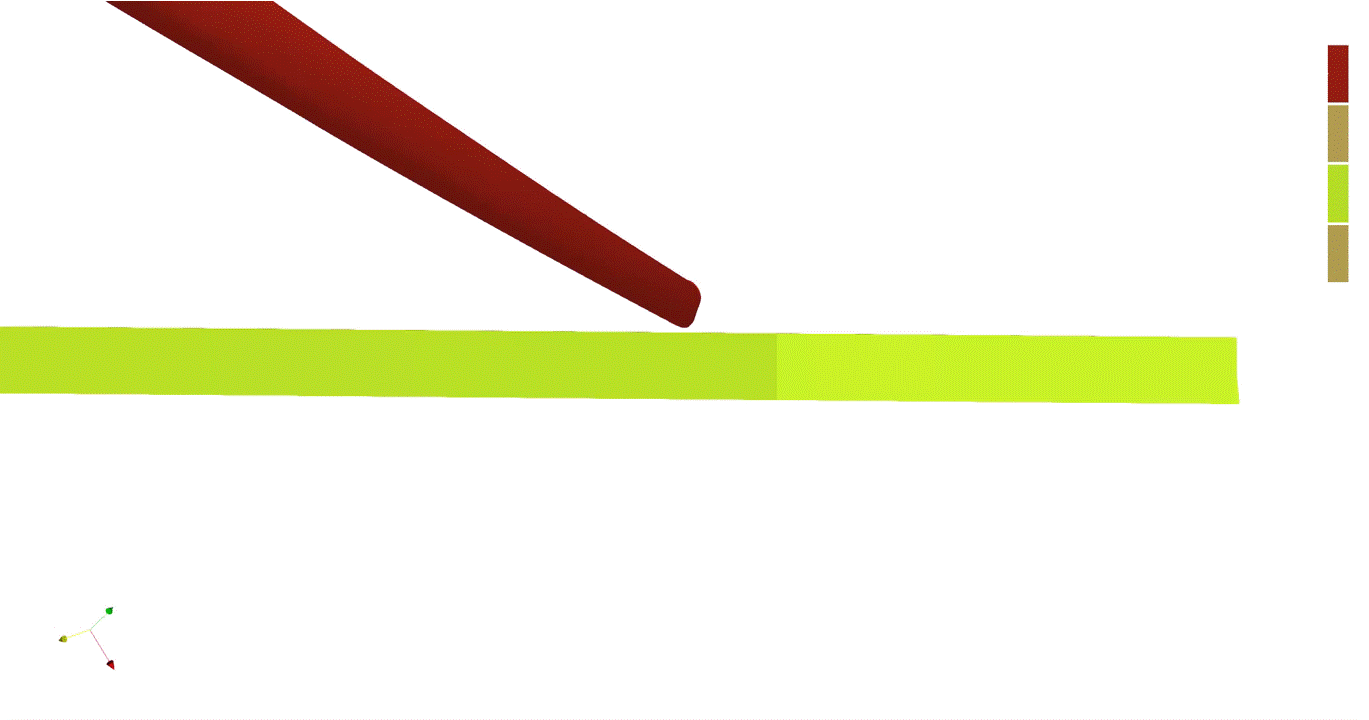
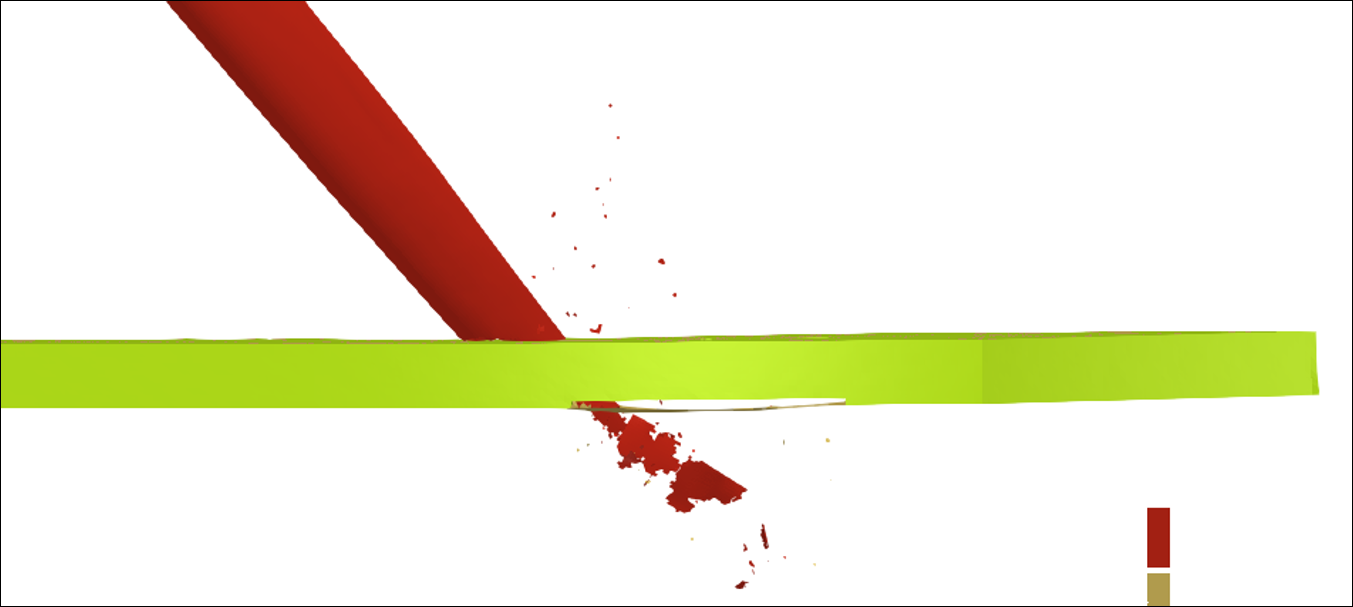
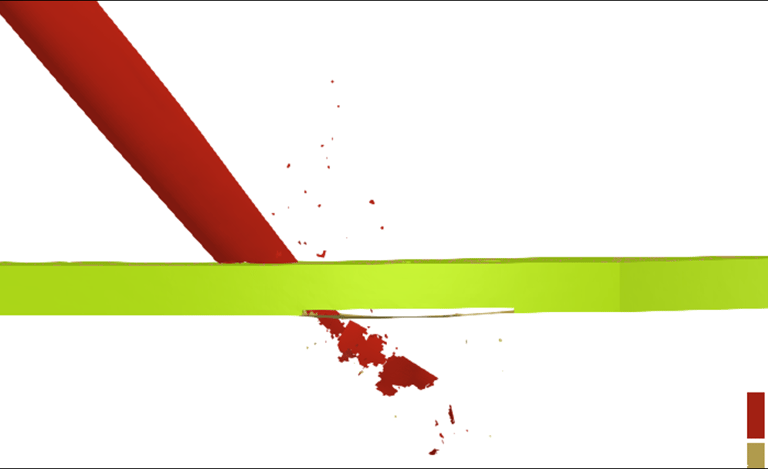
This project provides high-fidelity safety verification for the Advanced Air Mobility (AAM) sector, focusing on the containment of high-velocity debris following a catastrophic propeller failure. The simulation captures the ballistic impact of a composite blade at operational rotational speeds to ensure zero penetration of the passenger cabin.
Rotational Energy Dynamics: The model simulates a blade failure at 1700 RPM, translating into a linear impact velocity of approximately 75 m/s at the blade tip.
Complex Hybrid Failure Modeling: Utilizing refined failure criteria to capture the progressive breakup of Carbon/Epoxy skins and the crushing of Rohacell® cores.
Containment Shield Verification: A comparative assessment of energy absorption between 2024-T3 aluminum and composite shielding, capturing large-strain plasticity up to 7.6% in the containment wall.
Precision Interface Management: Leveraging BeidPrep Pro’s Selection Manager to automatically generate thousands of segment records (/SURF/SEG), ensuring stable contact definitions between high-velocity fragments and the protection structure.
Protective Systems: Large-Strain Hyperelastic Impact Analysis
The objective of this analysis was to verify the structural integrity and acceleration-mitigation capabilities of a helmet configuration during standardized drop tests. The simulation targeted the critical millisecond-scale window of impact to predict peak headform acceleration and material failure propagation.
Multi-Scenario Impact Verification: The helmet was subjected to a 2.05-meter drop (resulting in a 6.3 m/s impact velocity) against three distinct boundary conditions: Flat, Hemispherical, and Curbstone anvils.
Advanced Hyperelastic Modeling: The protective structure utilizes Thermoplastic Rubber (TPR), which was modeled with precise hyperelastic properties to capture large-strain deformations and nonlinear stress-strain responses.
Safety Threshold Compliance: The analysis successfully verified that all configurations remained significantly below the 300g peak acceleration safety threshold, with recorded values of 184.2g (Flat), 151g (Hemispherical), and 126.3g (Curbstone).
Failure & Crack Propagation: Beyond simple acceleration tracking, the study mapped localized stress concentrations to predict crack initiation and propagation during maximum deflection, providing actionable data for material optimization.
Energy Absorption Mapping: By analyzing the acceleration-vs-deflection curves, the study confirmed that the entire helmet geometry participated effectively in energy dissipation, maximizing the protective volume.
Technical Showreel
Get in touch
Feel free to call or email me, I don’t bite! Whether you need a full simulation or just a quick chat about a complex material, I’m here to help.
Phone


Konstantin Arhiptsov,
Owner - Beider Simulations